

If you have added film to your windows recently, you have probably asked yourself the same question most homeowners do: how long does home window tint last? It is a fair thing to wonder, especially here in Arizona, where the sun is working overtime for most of the year.
According to the National Weather Service, UV exposure at this latitude stays moderate to extreme for much of the year, which is exactly the kind of stress that puts window film to the test.
The honest answer is that quality window film can last for many years when the right product is professionally installed and looked after properly. Some films start fading within a few years. Others hold their color and performance for well over a decade. So which one will yours be?
This guide walks through what affects window tint lifespan, how to spot the early signs of wear, and how a bit of ongoing care can keep your film performing longer. The goal is simple: help you get the most out of what you paid for.
Key Highlights
- Residential window tint typically lasts anywhere from a few years to two decades, depending on the film.
- Film quality, sun exposure, installation, and maintenance all shape how long it lasts.
- Dyed, metalized, and ceramic films age very differently over time.
- Bubbling, peeling, fading, and reduced performance are the telltale signs of wear.
- Gentle cleaning and early repairs stretch the useful life of your film.
- Replacement makes sense once film shows widespread deterioration.
How Long Does Home Window Tint Last?
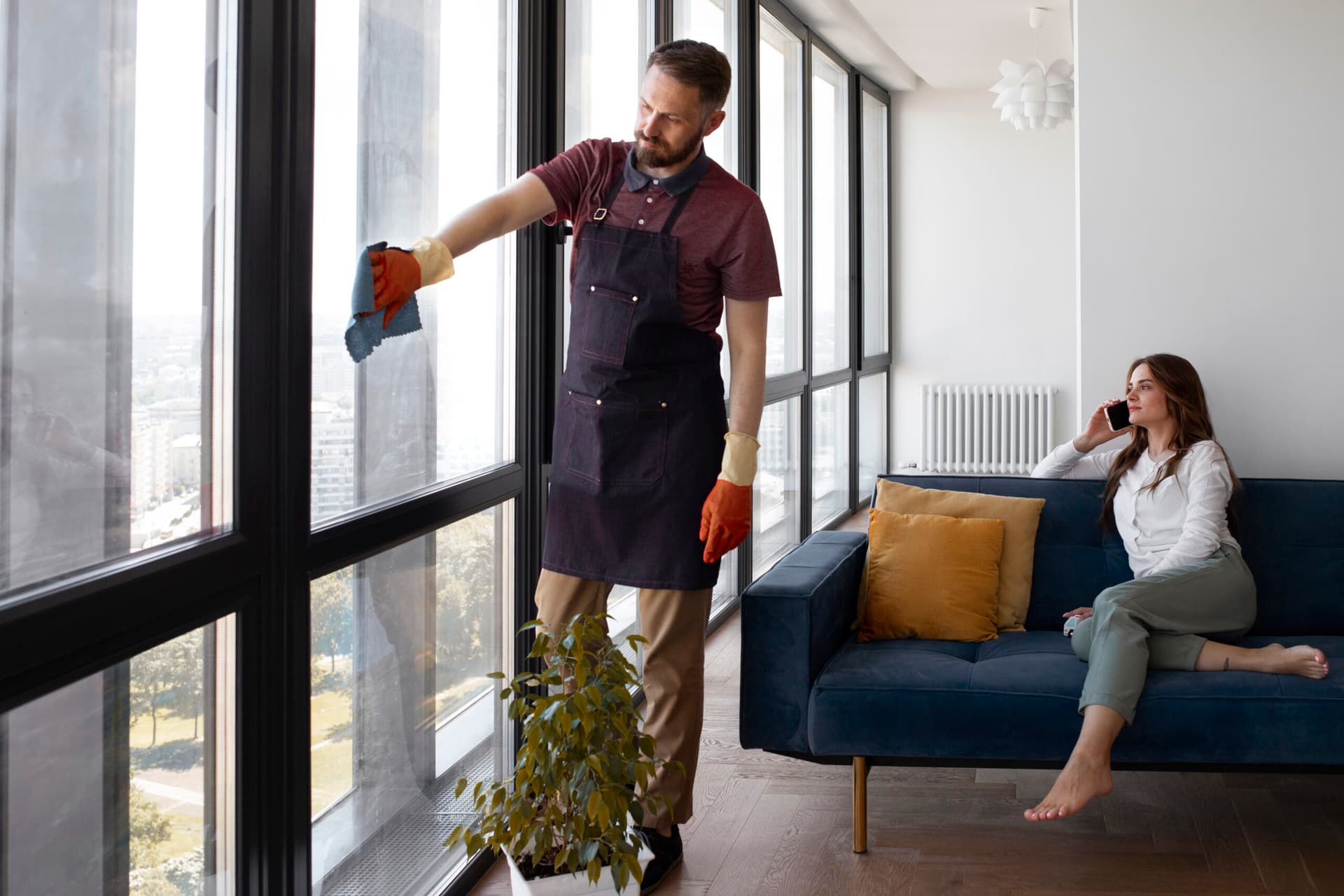
Quality Window Film Can Last For Many Years
A realistic range runs from around five years for basic film up to 15 or 20 years for premium ceramic products. There is no single number that fits every home, either. Two houses on the same street can see very different results depending on window direction, shade coverage, and how much sun hits the glass each day.
Sun Exposure and Window Location Matter
Direct sunlight and heat speed up how fast film ages. In Arizona, west-facing windows take the harshest afternoon sun, while south-facing glass gets steady exposure all day long. Those windows tend to show wear sooner than north-facing ones. Higher-grade film handles this stress far better, which is one reason it is worth the extra investment.
Installation Quality Can Influence Longevity
Even the best film on the market will fail early if it goes onto dirty or poorly prepped glass. Careful cleaning, precise application, and proper curing all support a strong, long-lasting bond. That is really the whole idea behind professional residential window tinting: it gives film the best possible start so it can perform the way it was designed to for years to come.
What Determines Window Tint Lifespan?
Window tint lifespan depends on more than the film itself. Sun exposure, installation, and maintenance matter too.
A handful of factors work together to decide how long your film actually lasts. Knowing them helps you set realistic expectations and makes it easier to choose the right product from the start.
Film Quality and Construction
Higher quality films generally last longer simply because of what goes into them. Cheaper films lean on dyes that break down under UV exposure fairly quickly. Premium films use more stable materials that resist fading and keep rejecting heat year after year.
Exposure to Sunlight and Heat
Prolonged UV and solar exposure slowly wears film down. This is exactly why Arizona homes need products built for extreme conditions. Film rated for high UV load holds its color and performance longer under relentless sun, even on windows that get hit all day.
Climate and Environmental Conditions
Temperature swings, dust, and dry heat all take a toll on film over time. Arizona's dramatic day-to-night temperature changes place ongoing stress on adhesives, which is part of the reason film here does not always behave the same way it would in a coastal climate.
Window Orientation and Location
Where a window sits on the house changes how much sun it absorbs. Second-story windows, unshaded walls, and large glass panels tend to wear faster than shaded or partially protected windows.
Installation and Glass Preparation
Contamination trapped under the film is one of the most common causes of early failure. Dust, oils, or moisture left behind during application weaken adhesion and lead to bubbling down the road. Clean prep work prevents most of these headaches before they start.
Cleaning and Maintenance
How you clean your film directly affects how long it lasts. Gentle, film-safe cleaning keeps the surface clear and the edges sealed. Harsh tools and the wrong chemicals do exactly the opposite.
How Do Different Types of Window Tint Affect Lifespan?
Not all film is created equal, and the type you choose has a major effect on how long it will actually perform for you.
Dyed Window Film
Dyed film is the most affordable option, and also the shortest-lived. The dye absorbs heat rather than reflecting it away, so it tends to fade and shift color within a few years under strong Arizona sun.
Metalized Window Film
Metalized film uses fine metallic particles to reflect heat and UV rays. It outlasts dyed film by a good margin, though the metal content can interfere with cell signal, Wi-Fi, and GPS inside the home, which is worth knowing before you commit.
Ceramic Window Film
Ceramic film uses nano ceramic particles that reject heat without any signal interference. It holds its color well and typically offers the longest lifespan of the three, which is a big part of why so many Arizona homeowners lean toward it.
Choosing Film Based on Long-Term Needs
Price alone is a poor way to compare films. It is worth weighing performance, appearance and expected lifespan together, since a film that costs more upfront can provide better long-term value through improved comfort and solar heat control. The National Fenestration Rating Council explains that solar-control window films can reduce solar heat gain, block much of the sun's UV radiation, and help with glare control.
What Are the Signs Your Window Tint Needs Replacing?
Film tends to give fair warning as it ages. Catching the early signs helps you plan ahead instead of dealing with a surprise.
Bubbling or Blistering
New film sometimes shows small bubbles while it cures, and those usually clear up on their own within a few weeks. Bubbles that show up years later are a different story, and usually point to failing adhesive.
Peeling or Lifting Edges
When edges start to lift or separate from the glass, the adhesive underneath is breaking down. This is a sign of aging film or a weak original bond, and it only gets worse with time.
Fading or Discoloration
A purple tint, uneven color, or a washed-out look means the film is past its prime. Dyed films tend to show this first, sometimes within just a few years.
Scratches or Surface Damage
Deep scratches and gouges affect both the look of your windows and how well the film actually performs. Once the surface is compromised, it can no longer protect the glass or your interior the way it should.
Reduced Performance
If rooms start feeling hotter, glare comes back, or privacy drops off, the film has lost its function even if it still looks okay from a distance. That is usually a strong sign that replacement time is near.
How Can You Extend the Lifespan of Home Window Tint?
Simple maintenance habits can help protect your film and keep it performing for years.
Good habits go a long way toward stretching the life of your film. A few simple steps really do make a difference.
Use Film-Safe Cleaning Products
A mild soap and water solution, or a cleaner labeled safe for film, works best. Wipe with a soft microfiber cloth so you avoid scratching the surface.
Avoid Abrasive Cleaning Tools
Skip rough sponges, razor blades, and ammonia-based cleaners altogether. Ammonia breaks down film and adhesive fast, and blades can leave permanent marks that never fully disappear.
Follow a Regular Cleaning Schedule
Clean your windows regularly, but gently. Routine cleaning keeps the surface clear without putting unnecessary stress on the edges or the surface coating.
Address Damage Early
Small lifting spots or minor bubbles are worth checking before they spread. A quick look early on can save the whole panel down the line, rather than letting a small issue turn into a bigger repair.
Follow Your Installer's Care Instructions
Care needs vary by film, so it pays to follow the guidance your installer gives you, since curing times and cleaning limits can differ between products.
Professional installation shapes how long your film lasts just as much as the cleaning routine does. Thorough glass preparation removes dust, oils, and residue that would otherwise block a solid bond, letting the film adhere fully and stay put.
Skilled application also prevents bubbles, creases, uneven edges, and weak adhesion, the kind of flaws that shorten film life before it even gets going. This is really why working with an experienced residential glass team matters.
Installers who know your windows, your sun exposure, and your goals can recommend a film that actually fits your home, which supports long-term performance whether it is a single window or the whole house.
Replacement generally makes sense once film shows widespread deterioration or stops performing the way your home needs it to. A single scratch is mostly cosmetic. Bubbling, peeling, and fading across multiple windows point to real, spreading wear.
When it is not clear which category you are in, a professional assessment can give you clarity before you spend money on a new film. If you are already weighing a new film against a bigger project, our guide on choosing the best window glass for your home is a useful next read.
FAQs
How long does home window tinting last?
Quality home window tinting lasts from about five years for basic film to 15 or 20 years for premium ceramic film. Film type, sun exposure, and how well it is cared for all decide the outcome.
Does window tint need to be replaced at the same time as the windows themselves?
No. Old film can be peeled off and new film applied directly to your existing glass, so there is no need to replace the windows unless the glass itself is damaged. If you are unsure which route makes sense, it helps to compare against a full window replacement first.
Can worn-out window tint be removed without damaging the glass?
Yes, when it is done by an experienced installer. Removing aged film requires the right tools and technique so the glass underneath is left clean and scratch-free, ready for a fresh application if you choose to re-tint.
Does Arizona's climate really shorten window tint lifespan that much?
It can, especially on unshaded, west- or south-facing windows. High UV levels and big day-to-night temperature swings put more stress on film here than in milder climates, which is why choosing a higher grade film matters more in Arizona than it might elsewhere.
Is it worth paying more for ceramic film instead of dyed film?
For most Arizona homes, yes. Ceramic film costs more upfront, but it typically lasts longer, resists fading better, and does not interfere with cell or Wi-Fi signals the way metalized film can, which often makes it the better long-term value.
Making Your Window Tint Last Longer
Window tint lifespan really comes down to four things: film quality, sun exposure, installation, and maintenance. With the right product, a clean installation, and a bit of gentle care, film can perform beautifully for many years.
When your tint starts fading, bubbling, or peeling, reach out to our team at Demers Glass for a professional assessment and clear next steps.
Contact us to discuss your window tint needs and find the right solution for your home.