

Did you know that 95 million U.S. households own a pet? If you're among them, you know how much your dog loves running around the backyard or your cat enjoys exploring the patio.
But having to open the door every time they want to go outside can interrupt your day. A pet door gives your furry friend more freedom while making daily life easier for you.
Choosing the right pet door size helps your pet move comfortably. A door that's too small can make them squeeze through, while one that's too large may take up unnecessary space. It can also open your Arizona home to unwanted guests like raccoons and other pests.
So, how do you find the right fit? It starts with a few simple measurements and knowing what to look for.
Why Choosing the Right Pet Door Size Matters
The right pet door size affects how comfortably your pet uses the opening. With a good fit, your dog or cat can step through naturally without ducking or squeezing. That ease encourages them to use the door on their own, which is the whole point.
An undersized door can make your pets reluctant to pass through, especially older ones with stiff joints, while an oversized one wastes space and complicates installation. Weight alone won't tell you the right size, since two pets of equal weight can differ in build. Your pet's height, width, and proportions matter far more than the scale.

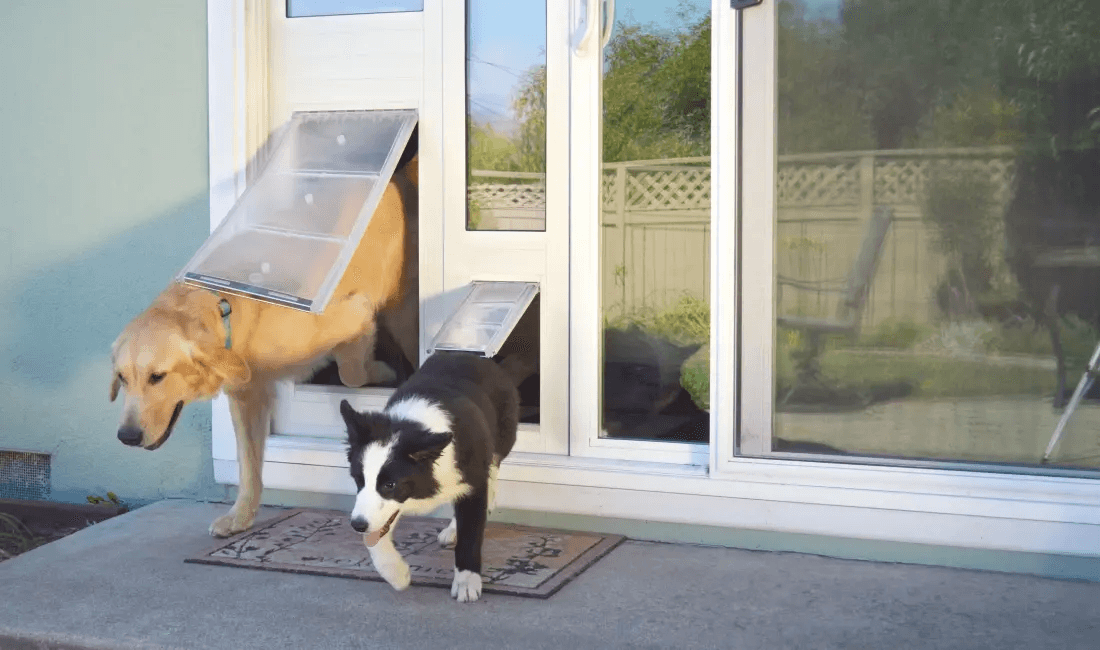
How to Measure Your Dog or Cat for the Right Pet Door Size
Accurate measurements are the foundation of getting the right pet door for your Arizona home. Have your pet stand naturally on a flat surface, and use a soft measuring tape. Ask your family member, spouse, or friend to help keep your furry friend still while you measure.
Measure Your Pet's Height
Start by measuring from the floor to the top of your pet's shoulders, also called the withers. Your pet may lower their head slightly while walking through, but they shouldn't have to crouch excessively. Compare this measurement with the manufacturer's recommended pet height and opening height. Some manufacturers use different measuring methods, so follow the instructions for the model you're considering.
Measure Your Pet's Width
Find the widest part of your pet's body, usually the chest or shoulders, though stocky breeds may be widest at the hips. Measure straight across while your pet stands comfortably, then add at least an inch or two of clearance, so they pass through without brushing the frame.
Check the Step-Over Height
Don’t measure just the height and width of the opening. Check how high your pet must step to enter, especially if you have a small dog, an older cat, or a pet with limited mobility.
The step-over height is the distance between the floor and the bottom of the pet door opening. For a small dog or cat, a high step-over can make entering and exiting uncomfortable. Older pets and animals with limited mobility may also find lower openings easier to use.
For example, suppose your dog measures 18 inches at the shoulders and 9 inches across the chest. You'll need an opening with adequate height and a width greater than 9 inches, along with a step-over your dog can comfortably manage.
Use these measurements as a starting point, then check the manufacturer's sizing instructions before making your purchase.
What Are Dog Door Sizes and How To Choose the Right Fit
Dog door sizes usually come in labeled categories such as small, medium, large, and extra-large. These labels help you narrow your choices, but they're only a starting point. Your pet's actual measurements should guide your final decision.
Small Pet Doors for Cats and Small Dogs
Small pet doors work well for most cats and smaller dog breeds. They take up less space in your door and are simple for lighter pets to push open. Many cats and toy breeds move through them easily.
Body dimensions are more reliable than breed labels, though. A large cat or a stocky small dog might need more room than a "small" label suggests. Measure your pet first, then check whether the opening truly fits.
Medium and Large Dog Door Sizes
Medium and large breeds often need wider or taller openings to move comfortably. Dogs with deep chests, broad shoulders, or long legs may quickly outgrow a medium opening. Muscular breeds may also need extra width even if they aren't especially tall.
A large dog door size makes sense when your pet has tall shoulders or a broad chest. Compare your dog's height and width measurements with the large and extra-large options before you decide. Picking the right category now saves you from reinstalling later.
How to Read a Dog Door Size Chart
We recommend using a dog door size chart to match your pet's measurements to available openings. Here's an illustrative comparison showing the measurements you should review:
| Door Category | What to Check |
|---|---|
| Small | Opening width, flap height, and low step-over |
| Medium | Shoulder clearance and chest width |
| Large | Taller opening and comfortable body clearance |
| Extra Large | Full opening dimensions for tall or broad dogs |
These categories are general descriptions, not universal sizing standards. If you're comparing PetSafe dog door sizes with another manufacturer's products, check the actual flap dimensions. Also distinguish between the usable opening and the overall frame dimensions. The right choice depends on your furry friend's measurements, not the name printed on the package.
Common Mistakes to Avoid When Selecting a Pet Door Size
Even careful pet owners can run into sizing problems. Knowing these common slip-ups helps you get it right the first time.
Choosing a Pet Door Based on Breed or Weight Alone
Two dogs of the same breed can have very different builds. One Labrador might be lean and tall, while another is shorter and broader. Their weights could match, but they need different pet door sizes. In other words, breed standards and weight charts give you a rough idea, but they can't replace a tape measure. What really matters is your pet's individual build.
Forgetting About Growth and Mobility Changes
Puppies and kittens grow fast, so a door that fits today might be too small in a few months. Small breeds may finish growing around 6 to 8 months, while giant breeds can take up to 24 months. So, think about your furry friend's expected adult size before you commit to a permanent door.
Senior pets have their own needs too. As they age, they often lose flexibility and mobility. A lower step-over height and easier access can help your older pet keep coming and going on their own. If you have a senior furry family member at home, think about these points while checking pet door sizes.
Overlooking Glass Door Installation Requirements
Planning to add a pet door to your sliding glass door? Have the glass and frame assessed before ordering. Existing tempered glass generally requires a replacement panel rather than cutting an opening on-site.
Lots of Arizona homes have sliding glass doors leading out to patios and backyards. Installing a pet door in a glass setup can affect the available opening size and where the door sits, since the frame, panel size, and door style all come into play.
However, existing tempered glass usually can't be cut to add a pet door. It has to be cut before it's tempered, so cutting it afterward can cause it to shatter. You may need a replacement glass panel with a pre-made opening or a compatible installation system instead.
FAQs about Pet Door Sizes
How do you know what size pet door your dog needs?
Measure your dog's shoulder height and widest body point. Compare those measurements with the manufacturer's usable opening dimensions and check the step-over height.
Should you buy a larger pet door than your dog needs?
A little extra clearance helps your dog pass through comfortably. However, an excessively large opening may be unnecessary, so choose a size that fits your pet's measurements.
Can cats and small dogs use the same pet door?
Yes, cats and small dogs can share a pet door if the opening fits both animals. Consider their individual heights, widths, and ability to step through the opening.
What size dog door should you choose for a growing puppy?
Consider your puppy's expected adult measurements when choosing a permanent pet door. You may need a temporary solution until your puppy grows.
Can you install different pet door sizes in a sliding glass door?
Yes, several pet door sizes are available for compatible sliding glass door systems. The right option depends on your pet's measurements, door configuration, and installation requirements.
Find the Right Pet Door for Your Arizona Home
Demers Glass helps homeowners in Phoenix, Flagstaff, Lakeside, and surrounding Arizona communities choose and install the right size pet doors for glass door configurations. Our team can help measure your pet's height and look at your door layout so the opening fits your furry family member's comfort and safety needs.
We also offer Security Boss in-glass pet doors, including the MaxSeal Pro, MaxSeal, and SB Standard models. These come in ten size options to fit small to extra-large breeds. Before you commit to a permanent glass pet door, contact us for professional guidance so your pet gets a door they'll use comfortably for years.
Contact us today to get a quote for your pet door!