

If your fireplace feels dated, inefficient, or more decorative than functional, you’re not alone. Many homeowners love the idea of a fireplace but struggle with heat loss, outdated aesthetics, or safety concerns, especially in older homes.
Modern fireplace glass doors can completely change how your fireplace looks, performs, and functions. From improving energy efficiency to elevating your home’s design, the right glass doors turn a fireplace into a true asset rather than a liability.
In this guide, we’ll cover:
- Why traditional fireplaces fall short
- How glass doors improve efficiency and safety
- Modern design options and glass types
- Installation considerations and code requirements
- How fireplace glass fits into a broader home modernization strategy
Why Traditional Fireplaces Often Feel Outdated
Heat Loss and Energy Inefficiency
Open fireplaces pull heated air from your home and send it straight up the chimney.
According to the U.S. Department of Energy, traditional fireplaces can reduce overall home heating efficiency due to uncontrolled airflow.
Safety and Maintenance Concerns
Without a barrier, sparks, embers, and soot can escape into living spaces. Open fireplaces also allow downdrafts, debris, and even animals to enter the home when not in use.
Visual Limitations
Older fireplaces often feel bulky or mismatched with modern interiors, especially in homes that have undergone partial renovations elsewhere.
How Glass Fireplace Doors Instantly Modernize a Space
Improved Energy Control
Glass doors create a sealedbarrier that reduces heat loss and helps maintain indoor temperature consistency.
For homeowners focused on efficiency upgrades, this pairs well with other improvements like energy-efficient window systems discussed in Demers’ guide to energy-efficient windows for your home.
Enhanced Safety
Modern fireplace glass is designed to withstand extreme temperatures while preventing sparks and embers from escaping. This is especially important for households with children or pets.
Clean, Contemporary Aesthetics
Glass doors provide a sleek, finished look that works with:
- Minimalist interiors
- Transitional design styles
- Modern rustic spaces
They also visually align well with other architectural glass elements, such as mirrors or large window expanses used throughout the home.
Choosing the Right Type of Fireplace Glass
Tempered vs. Ceramic Glass
Not all fireplace glass is the same. The two most common options include:
- Tempered glass – Durable and cost effective, suitable for many standard fireplaces.
- Ceramic glass – Withstands higher temperatures and is ideal for high efficiency or gas fireplaces.
Demers Glass explores this distinction in detail in their article on ceramic vs. tempered glass for fireplaces.
Tinted and Specialty Glass Options
Modern glass doors may include:
- Bronze or gray tints
- Anti-reflective coatings
- Custom framing finishes
These features allow homeowners to coordinate fireplace design with surrounding materials like tile, stone, or metal accents.
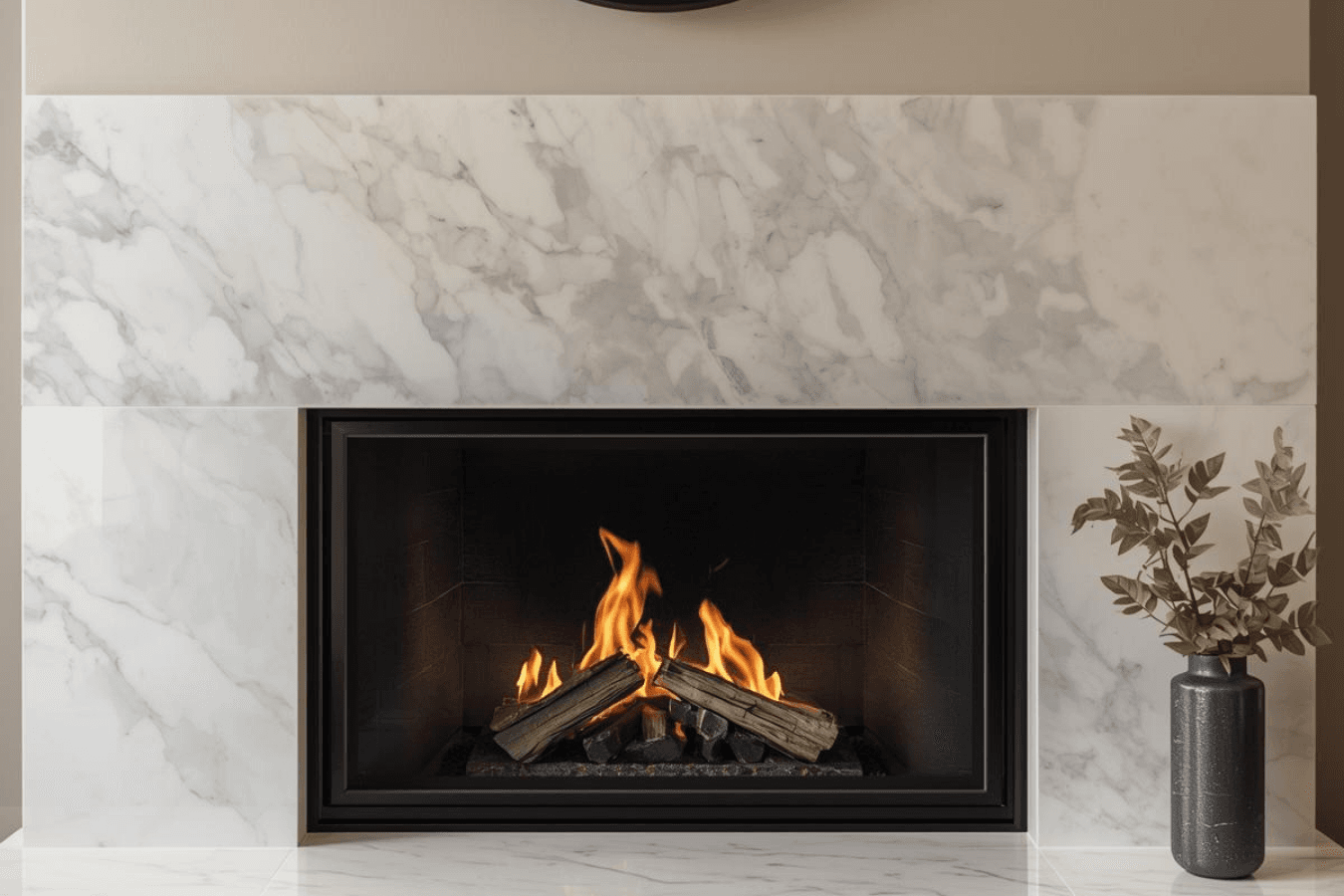
Fireplace Glass Doors and Home Energy Performance
Air Sealing and Heat Retention
Sealed glass doors help limit air exchange between indoor and outdoor environments. The U.S. Department of Energy notes that controlling air leakage is a critical factor in improving overall home efficiency.
Complementing Other Efficiency Upgrades
Fireplace upgrades work best as part of a holistic approach that may include:
- Insulated glass windows
- Window tinting
- Weather-sealed doors
For example, Demers’ overview of what insulated glass is and how it works explains how layered glass systems reduce heat transfer throughout the home.
Installation Considerations and Building Code Compliance
Custom Measurement Matters
Fireplace openings are rarely standard. Proper measurement ensures:
- Correct airflow
- Safe clearance from flames
- Long-term durability
Local and National Safety Standards
Fireplace glass doors must comply with fire safety and building standards. Organizations like the International Code Council (ICC) provide guidelines governing fireplace enclosures and heat resistance requirements.
Professional Installation Benefits
A professional installation helps avoid:
- Improper venting
- Heat stress on glass
Misalignment that reduces efficiency
Fireplace Glass as Part of a Modern Design Strategy
Aligning with Contemporary Glass Trends
Modern homes increasingly rely on glass for both form and function from windows to shower enclosures to mirrors. Fireplace glass doors naturally complement these trends.
Homeowners updating multiple areas often explore broader glass upgrades like those featured in Demers’ article on design tips using mirrors in interior design.
Long-Term Value and Appeal
Updated fireplaces:
- Increase perceived home value
- Improve daily comfort
- Enhance resale appeal
They serve as both a visual focal point and a functional improvement.
Q&A: Common Questions About Fireplace Glass Doors
Do glass fireplace doors reduce heat output?
No. When used correctly, they help control airflow and retain heat rather than letting warm air escape.
Can glass doors be added to an existing fireplace?
Yes. Most existing fireplaces can be retrofitted with custom glass doors.
Are glass doors safe for wood-burning fireplaces?
Yes, as long as the glass type and installation meet heat and safety requirements.
How do I clean fireplace glass?
Use cleaners designed for high-temperature glass and avoid abrasive materials.
Do glass doors need ventilation?
Some designs incorporate airflow gaps or vents depending on fireplace type and fuel source.