

Choosing a mirror can feel deceptively simple until you realize how much impact it has on a room’s design, light, and functionality. Homeowners often find themselves stuck between framed and frameless mirrors, unsure which option truly fits their space, style, and long-term needs.
This guide will help you confidently compare framed and frameless mirrors by breaking down their differences in style, installation, durability, maintenance, and cost. Instead of guessing or following trends blindly, you’ll gain practical insight into which mirror type works best for specific rooms and design goals.
We’ll explore what defines each mirror style, compare their pros and cons, discuss room by room recommendations, and answer common questions homeowners have when choosing custom mirrors.
What Is a Framed Mirror?
A framed mirror features glass that is enclosed by a visible border made from wood, metal, or composite materials. The frame is not just decorative, it also plays a functional role in protecting the mirror’s edges and enhancing durability.
Definition and Construction
Framed mirrors consist of standard mirror glass mounted inside a surrounding frame. The frame may be permanently attached or designed to allow for replacement or customization.
Common Frame Materials
Framed mirrors are available in a wide range of materials, including:
- Wood: Warm, traditional, or rustic aesthetics.
- Aluminum: Lightweight, corrosion-resistant, and modern.
- Steel: Durable and industrial in appearance.
- Composite or MDF: Budget-friendly with flexible finishes.
Visual Impact in a Room
Because the frame is visually prominent, framed mirrors often act as a design feature.
Anchoring a space while adding contrast, texture, and visual weight. In traditional or transitional interiors, framed mirrors often feel intentional and cohesive rather than purely functional.
What Is a Frameless Mirror?
A frameless mirror has no surrounding border, allowing the glass itself to define the look. These mirrors are valued for their clean lines and minimal visual interruption.
Definition and Construction
Frameless mirrors are made from precision-cut glass with polished or beveled edges. They are typically mounted using discreet clips, channels, or specialized adhesives for a seamless appearance.
Edge Finishes Explained
- Flat polished edges: Smooth, clean, and modern.
- Beveled edges: Angled edges that add subtle dimension and light reflection.
Minimalist Design Benefits
Without a frame, these mirrors blend into walls effortlessly. They reflect more light, visually expand spaces, and pair well with contemporary and modern interiors. Frameless mirrors are especially popular in bathrooms, gyms, and minimalist homes.
Framed vs. Frameless Mirrors — Key Differences
Understanding the practical differences between framed and frameless mirrors makes choosing the right one much easier.
Style & Design Flexibility
Framed mirrors excel when you want a decorative statement or need to coordinate with existing finishes. Frameless mirrors, on the other hand, prioritize simplicity and adaptability, making them ideal when you don’t want the mirror to compete with other design elements.
For broader inspiration, Demers Glass explores how mirrors influence design in this guide on mirror design tips for interior spaces.
Installation Requirements
Framed mirrors are generally heavier and require secure anchoring, especially for larger sizes. Frameless mirrors rely on precision installation to ensure level mounting and proper weight distribution.
Durability & Longevity
Frames protect mirror edges from chips and moisture exposure, which can increase lifespan. Frameless mirrors rely on polished edges and proper installation to maintain durability over time.
Maintenance & Cleaning
Framed mirrors require occasional frame cleaning and inspection, particularly in humid areas.
Frameless mirrors are easier to clean overall, as there are no seams or frame details to trap dust or moisture.
Cost Considerations
Cost varies based on size, customization, and materials. Frameless mirrors often cost less upfront, while framed mirrors may increase in price depending on frame material and craftsmanship.
Which Mirror Type Works Best by Room?
Bathrooms
Frameless mirrors are a popular bathroom choice because they resist moisture issues and complement modern shower and vanity designs. They pair especially well with contemporary spaces inspired by modern bathroom design ideas.
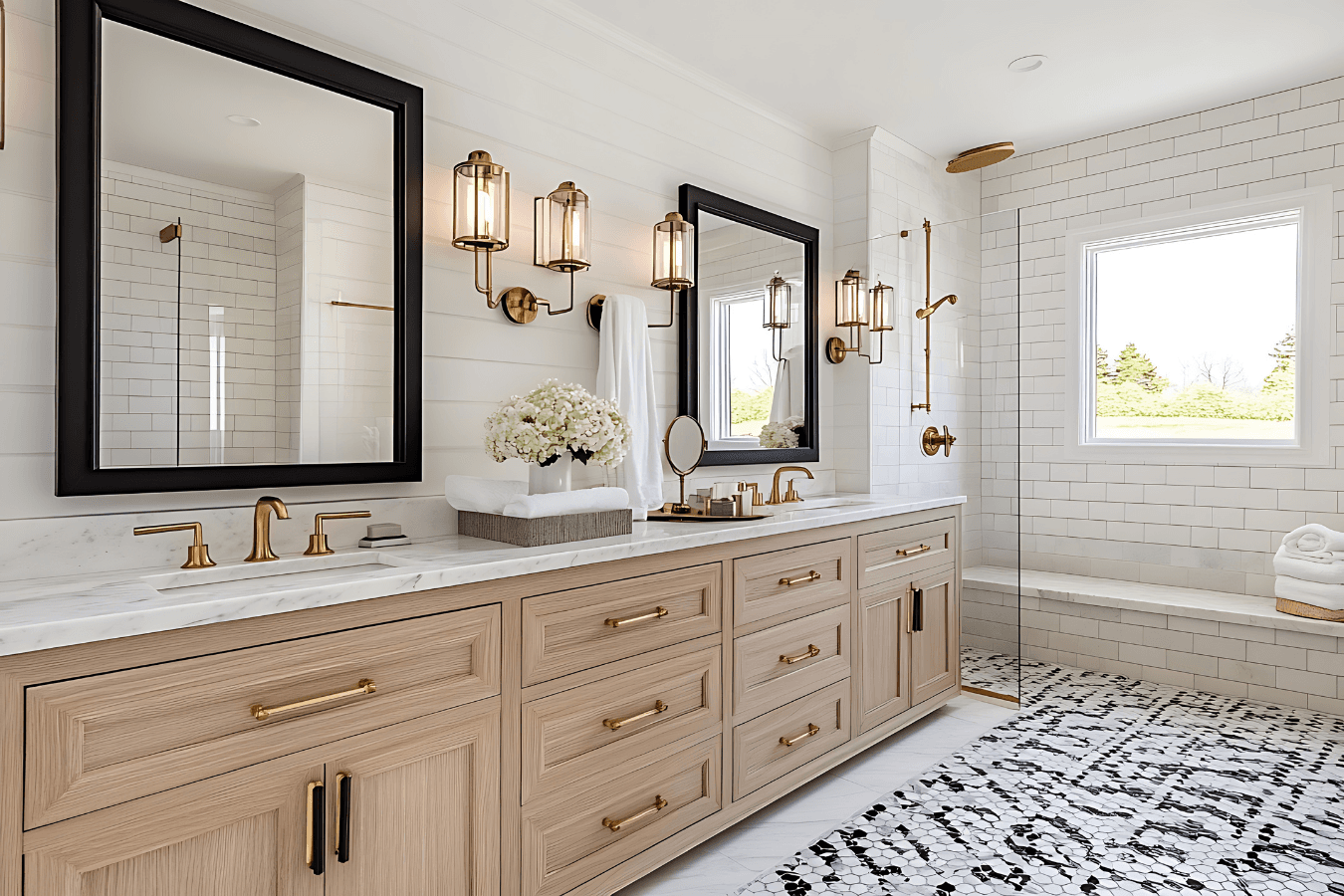
Framed mirrors work well in traditional bathrooms, particularly when coordinated with cabinetry or lighting fixtures.
Entryways & Hallways
Framed mirrors create a welcoming focal point in entryways, adding character and warmth. Frameless mirrors suit narrow hallways by visually expanding the space without adding visual weight.
Home Gyms & Studios
Large frameless mirrors are ideal for home gyms because they allow uninterrupted sightlines and easier wall-to-wall coverage. For inspiration, see these home gym mirror ideas.
Living Rooms & Bedrooms
Framed mirrors act as decorative accents in living areas and bedrooms. Frameless mirrors work well when the goal is to enhance light rather than add ornamentation.
Custom Mirror Options for Your Space
Custom mirrors allow homeowners to tailor size, shape, and safety features to their specific needs.
Size & Shape Customization
Options range from oversized statement mirrors to full wall installations. Custom sizing ensures proper proportions and seamless integration.
Safety Backing & Thickness
Glass thickness and safety backing are especially important for large mirrors. For reference, Demers Glass explains glass thickness guidelines.
How to Choose the Right Mirror for Your Home
Match the Mirror to Your Design Style
Choose framed mirrors for decorative emphasis and frameless mirrors for clean, modern aesthetics.
Consider Lighting & Room Size
Frameless mirrors maximize reflected light, making smaller rooms feel larger.
Think Long-Term Maintenance
Bathrooms and humid spaces often benefit from frameless designs due to easier upkeep.
Work With a Professional Glass Company
Professional measurement and installation ensure safety, longevity, and a polished final result.
Q&A: Common Questions About Framed and Frameless Mirrors
Are frameless mirrors more modern than framed mirrors?
Generally, yes. Frameless mirrors are commonly associated with modern and minimalist designs.
Do framed mirrors last longer than frameless mirrors?
Frames can protect edges, but both options last decades when properly installed.
Are frameless mirrors safe for bathrooms?
Yes, when installed correctly with safety backing and appropriate mounting systems.
Can framed mirrors be customized?
Absolutely. Frames, finishes, sizes, and shapes can all be customized.
Which mirror type makes a room look bigger?
Frameless mirrors typically create the strongest illusion of space.
Ready to Find the Perfect Mirror?
You started by recognizing that the right mirror can refresh any room, and now you have a clear picture of how framed and frameless styles compare. Whether you want warmth, simplicity, or a custom look, the team at Demers Glass can help you create a mirror that fits your space perfectly. Contact us today to explore custom options for your home.