

Arizona homes get some of the best natural light in the country and also some of the toughest conditions for roof penetrations: intense UV, long cooling seasons, monsoon downpours, dust, and big temperature swings between air-conditioned interiors and hot roof decks. That combination means the “best skylight” isn’t just the prettiest one, it’s the one that controls heat gain, resists leaks, and holds up over time.
If you’re thinking about adding daylight from above, this guide will help you avoid the most common Arizona mistakes (overheating, glare, and leak-prone installs). We’ll break down the pros and cons of fixed skylights, venting skylights, tubular sun tunnels, roof windows, and dome units then cover the glazing and placement choices that matter most in desert conditions.
In this article, you’ll learn:
- How each skylight type performs in Arizona heat and storms
- Which options add ventilation (and when it’s worth paying for it)
- What glazing specs to prioritize for comfort and efficiency
- Where to place skylights to reduce glare and unwanted heat
Why Skylight Choice Is Different in Arizona
In mild climates, skylights are mostly about daylight and style. In Arizona, they’re also a solar-management decision.
Arizona-specific factors to plan for:
- Solar heat gain: Skylights see a lot of sky exposure, which can add cooling load if glazing isn’t designed to limit heat gain.
- Glare: Harsh overhead light can be uncomfortable in kitchens, hallways, and TV rooms.
- Monsoon rain: Flashing details get stress-tested fast during short, intense storms.
- Thermal stress: Hot roof deck + cool interior can accelerate seal wear and lead to fogging if insulating glass seals fail.
- Dust: Exterior buildup reduces clarity and can affect drainage/weep paths on certain skylight designs.
If you want a broader overview of styles before choosing, Demers’ breakdown of the best skylight designs for natural light is a helpful companion.
Fixed Skylights
Fixed skylights don’t open so they’re simpler and often the most “set it and forget it” option.
Pros
- Fewer failure points. No motors, hinges, or opening seals to maintain.
- Clean daylight, clean look. Great for stairwells, living rooms, and open layouts.
- Strong performance with the right glass. With modern insulated, low-E glazing, fixed units can be comfortable even in hot climates.
Cons
- No ventilation. Heat that pools at the ceiling can’t escape.
- Overheating risk if poorly specified. Wrong glazing on a south/west roof plane can make a room feel like a greenhouse.
- Potential glare. Especially in spaces where you want softer, indirect light.
Best AZ use case: A fixed skylight on a north-facing roof plane, or any orientation paired with strong solar-control glazing and a shade.
Venting Skylights (Manual, Electric, or Solar)
Venting skylights open to exhaust warm air. Many models include rain sensors and integrated blinds.
Pros
- Releases trapped heat. In tall rooms hot air rises, venting can improve comfort.
- Great for bathrooms and kitchens. Helps clear moisture and odors.
- More usable in shoulder seasons. On mild mornings/evenings, venting can support natural airflow.
Cons
- More parts = more upkeep. Motors, controls, and seals add complexity.
- Less forgiving installation.
- Dust infiltration when used often. If you open it frequently, you may notice more desert dust indoors.
A great unit can still leak if flashing and roof integration aren’t perfect.
Best AZ use case: Bathrooms, kitchens, or vaulted ceilings where you’ll actually use the ventilation feature.
Tubular Sun Tunnels
Sun tunnels (tubular daylighting devices) use a small roof opening and reflective tube to deliver daylight to a ceiling diffuser.
Pros
- Minimal roof penetration.
- Huge impact in small spaces. Closets, hallways, and pantries can feel dramatically brighter.
- Often the best daylight-per-dollar option.
A smaller opening typically reduces leak risk and heat gain potential.
Cons
- No sky view. You get light, not the open “window to the sky” feel.
- Light can feel concentrated depending on diffuser and placement.
- No ventilation. Sun tunnels don’t open.
If you’re deciding between these two options, Demers’ comparison of sun tunnels vs. skylights can help you match the choice to your room layout and goals:
Roof Windows
Roof windows are designed to be “in reach” and often pivot so you can clean the exterior pane from inside, useful in dusty climates.
Pros
- Maximum airflow + view. Great for lofts, studios, and finished attic spaces.
- Easier cleaning. A real advantage when dust and pollen build quickly.
- Feels like a true window rather than just a light source.
Cons
- Bigger opening means bigger stakes. Glazing choice and installation quality matter even more.
- Pitch/access requirements. Not ideal for every roof design.
- Higher installed cost due to framing and interior finishing.
Best AZ use case: Finished spaces with cathedral ceilings where the unit is reachable and you want light and ventilation.
Acrylic Dome Skylights
Domed acrylic units are common in older homes and sometimes used on low-slope roofs.
Pros
- Lower upfront cost for basic replacements.
- Dome shape sheds water well in heavy rain.
Cons
- Typically higher heat gain than modern insulated glass skylights.
- UV aging: Acrylic can scratch, haze, or yellow over time under intense sun.
- Comfort/noise differences: Some homeowners notice more temperature swing and more rain noise.
Best AZ use case: Certain low-slope scenarios or straightforward replacements where the homeowner accepts clarity/comfort tradeoffs.
Glazing and Ratings That Matter Most in Arizona
Skylight type is only half the decision. The glazing package often determines whether the room feels bright and comfortable or bright and hot.
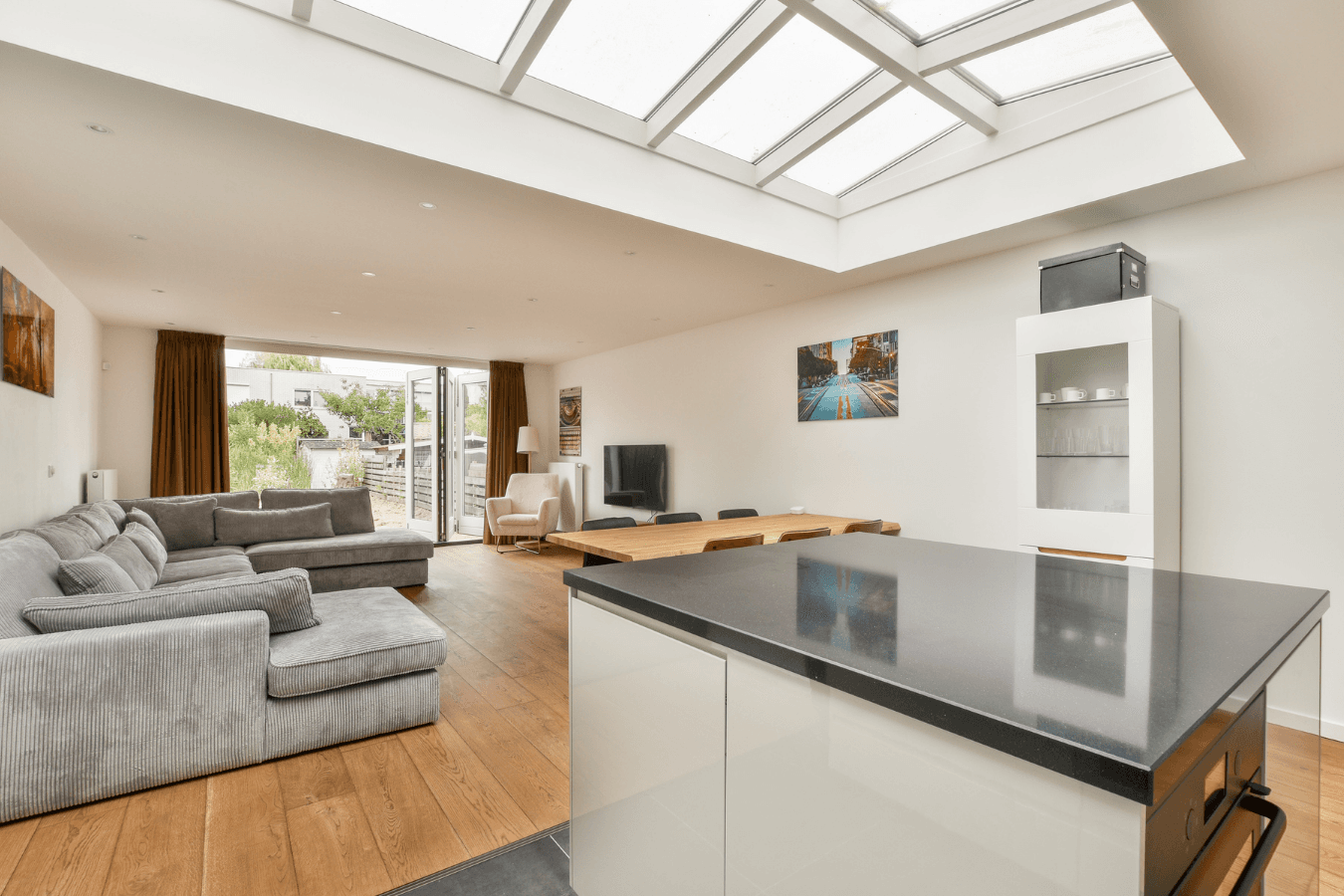
Low-E glass (often a must in AZ)
Low-emissivity coatings help reduce unwanted heat transfer and manage solar radiation especially important in long cooling seasons.
Double-pane insulated glass vs. single-pane
Double-pane insulated glass is typically the baseline for comfort. If you want a simple explanation of what insulated glass is and why it matters, Demers’ overview of insulated glass pros and cons is a good refresher.
Use NFRC ratings to compare skylights apples-to-apples
When you’re comparing models, look for NFRC ratings like U-factor and SHGC. These are standardized performance metrics that help you evaluate insulation and solar heat gain.
ENERGY STAR guidance helps match products to climate needs
ENERGY STAR maintains climate-based guidance for windows and skylights, which can help you prioritize the right balance of daylight and heat control for hot regions.
Tinting and shades for glare control
If your skylight location is bright enough to create glare (common on west-facing roof planes), an interior shade or solar-control film can be a practical fix. Here’s Demers’ rundown on window tinting pros and cons that translates well to skylight glare/heat conversations.
Mounting and Flashing: Where Leaks Start (or Don’t)
In Arizona, monsoon storms quickly reveal weak flashing.
- Deck-mounted skylights sit lower and look sleeker, but depend heavily on precise roof integration.
- Curb-mounted skylights sit on a raised curb, which can help water management in some conditions, especially on lower-slope roofs.
Bottom line: the best skylight can still leak if roof integration is sloppy especially around underlayment transitions and flashing corners.
Placement Tips for Arizona Homes
- North-facing roof plane: Often delivers the most consistent daylight with less heat gain.
- South-facing: Very bright; can be great in winter but needs the right glazing/shade for summer comfort.
- West-facing: Highest glare and late-day heat—use caution and plan for shading.
- Deep light shafts reduce output. If you have a deep shaft, lighter/reflective finishes can help move light.
Maintenance in Desert Conditions
- Rinse exterior glazing periodically (dust reduces clarity).
- After storms, check drywall/trim for early moisture signs.
- Watch for fogging between panes, often a sign of insulating seal failure.
- If venting, keep tracks and drainage paths clean.
FAQs: Skylights in Arizona
1) Are skylights a bad idea in Arizona because of heat?
Not inherently. The right low-E insulated glazing, smart placement, and (often) a shade can make skylights comfortable.
2) What’s usually the most energy-efficient skylight type?
Often a well-specified fixed skylight with high-performance insulated glass—because it avoids moving parts and opening seals.
3) Are sun tunnels cooler than traditional skylights?
They often introduce less total heat gain because the roof opening is smaller, but performance still depends on product design and placement.
4) Do venting skylights reduce cooling costs?
They can improve comfort by exhausting hot air (especially in tall spaces), but savings vary based on when you use them and the home’s overall insulation/air sealing.
5) How do I reduce glare from an existing skylight?
Interior shades/blinds, solar-control film, or upgrading glazing (when feasible) are the most common approaches.
6) How long do skylights last in Arizona?
Lifespan varies, but UV exposure and thermal cycling can shorten seal life, installation quality and glazing choice make a big difference.
Ready to Bring More Light Into Your Home?
You started this guide wanting clarity on skylight options, and now you know the strengths and limitations of each type. Whether you want bright natural light, better airflow, or a dramatic architectural feature, the right skylight can transform your space. If you are ready to explore custom skylight solutions for your Arizona home, the team at Demers Glass is here to help. Contact us today to get started.